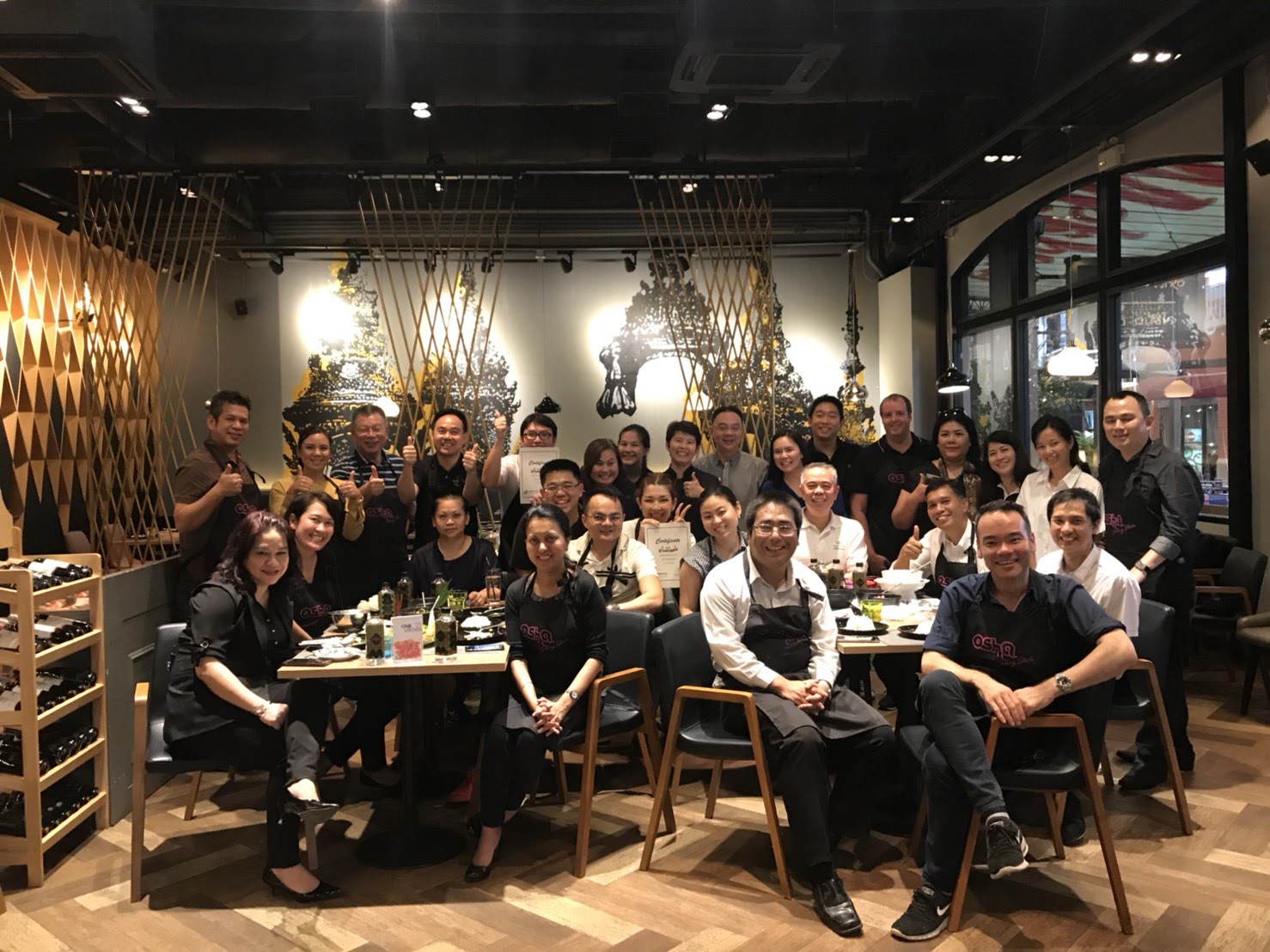
Top Chef Team Building in Bangkok for Corporate Groups
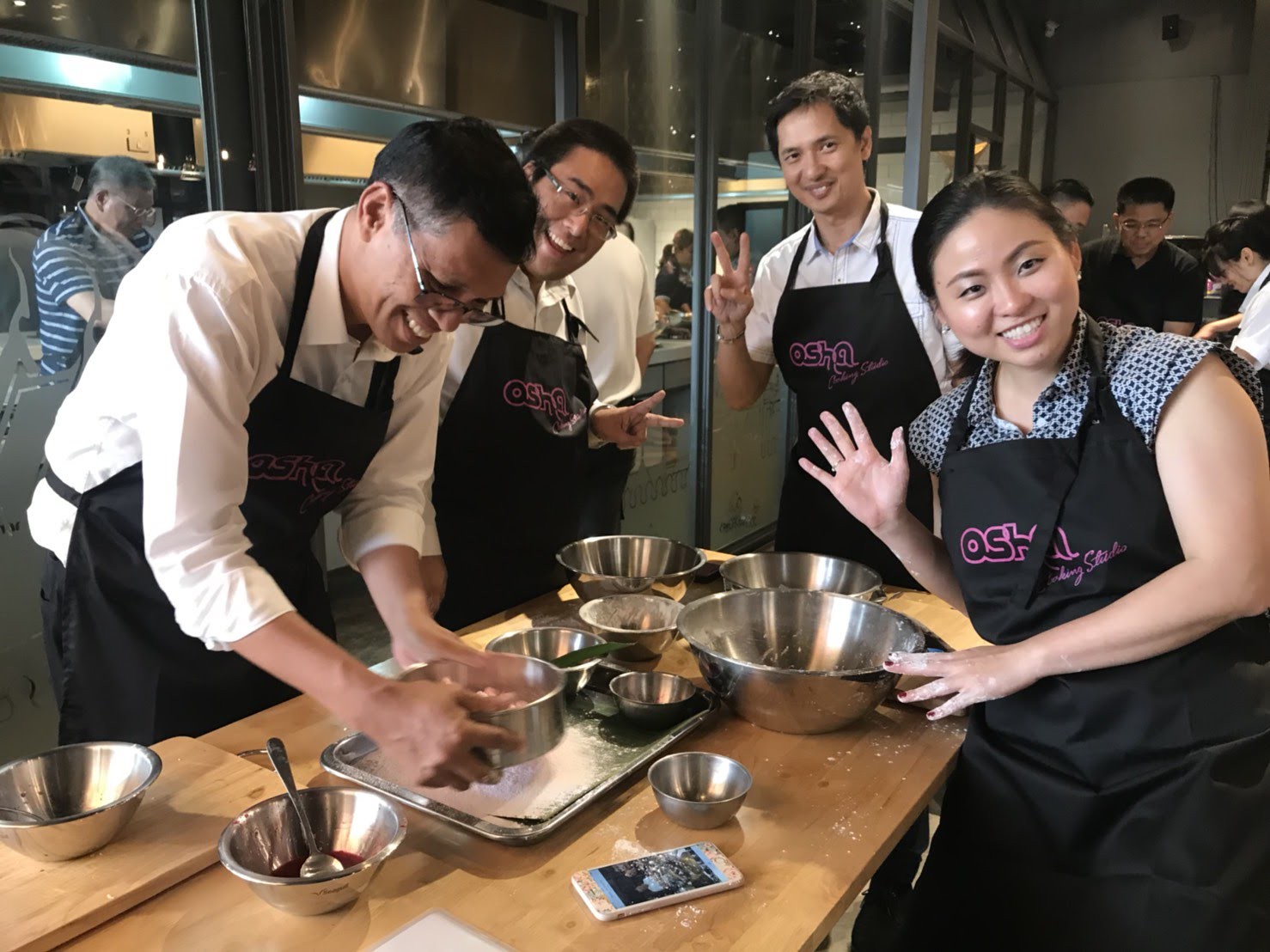
A Top Chef team building Bangkok experience transforms professional-style cooking into an energetic corporate challenge where participants collaborate under time pressure to plan, prepare, present, and evaluate Thai-inspired dishes. Rather than attending a conventional cooking class in which everyone simply follows the same recipe, teams receive a culinary objective and must decide how to organize their workflow, distribute responsibilities, manage ingredients, coordinate preparation, and deliver a finished dish within a limited timeframe. Bangkok is particularly well suited to this format because the city combines internationally recognized culinary culture with professional cooking venues, experienced instructors, high-quality ingredients, and convenient indoor facilities that allow the activity to operate throughout the year. MakingTeams designs the experience around the company’s objectives, group size, available time, participant profile, dietary requirements, and preferred level of competition so the challenge remains inclusive while still creating meaningful pressure and excitement. Depending on the program, teams may prepare classic Thai dishes, reinterpret familiar flavors, work with mystery ingredients, create a specific course, or develop their own presentation concept before presenting the final result to judges. The kitchen environment creates immediate interdependence because timing, preparation, cooking, plating, and communication all need to work together. One participant may naturally coordinate the workflow, another may focus on precision, another may contribute creative ideas, and someone else may keep the group moving when deadlines approach. These shifts allow colleagues to experience one another outside normal professional roles and reveal strengths that are not always visible in meetings or office routines. For leadership retreats, regional gatherings, employee engagement events, incentive programs, conferences, and cross-functional offsites, the corporate cooking competition Bangkok format combines social interaction with practical collaboration and produces a memorable shared outcome that participants can immediately enjoy together.
Why Competitive Cooking Builds Stronger Corporate Teams
A competitive cooking challenge works particularly well for team development because the task is familiar enough to be approachable but complex enough to require real coordination. Teams have a clear objective, a limited amount of time, shared resources, and a final product that will be evaluated, creating many of the same pressures found in workplace projects. Participants must quickly decide how to organize themselves, interpret instructions, divide responsibilities, prioritize tasks, and maintain quality while the clock continues to run. MakingTeams uses this structure to encourage collaboration rather than simply rewarding the strongest individual cook. A technically skilled participant cannot produce an excellent team result if communication breaks down, ingredients are prepared too late, or plating is left until the final seconds. Similarly, a highly organized group still needs creativity and attention to flavor if it wants to stand out. The challenge therefore rewards complementary strengths and makes interdependence visible. Because the final dish provides immediate feedback, teams can see how planning, communication, leadership, and execution combine into one outcome. Competition adds energy, but the activity can remain constructive by evaluating several dimensions such as teamwork, presentation, creativity, taste, and process rather than focusing only on speed. This creates an environment where participants can take the task seriously while still enjoying the social and cultural experience. The kitchen becomes a temporary project environment in which teams can experiment with different ways of working and immediately experience the consequences of their choices.
Planning and Role Allocation Under Time Pressure
The first challenge for each team is deciding how to turn a culinary objective into an organized sequence of actions. Participants need to understand the recipe or brief, identify ingredients, determine preparation times, decide which steps can happen simultaneously, and allocate responsibilities according to the strengths available within the group. MakingTeams can deliberately create a short planning period before cooking begins so teams have to agree on their approach rather than immediately reaching for ingredients. This mirrors real corporate situations where pressure to start executing can lead teams to overlook dependencies or duplicate work. A team that assigns roles clearly can begin preparing several elements in parallel, while a poorly coordinated group may discover too late that one missing component delays everything else. Participants also experience the importance of adjusting roles when circumstances change. If one cooking stage requires more attention than expected, another team member may need to step in or reorganize a different task. The activity therefore demonstrates how effective teams balance clear ownership with flexibility. Time pressure makes these patterns visible very quickly, giving participants a practical example of how planning and role coordination influence overall performance.

Communication Becomes a Critical Kitchen Skill
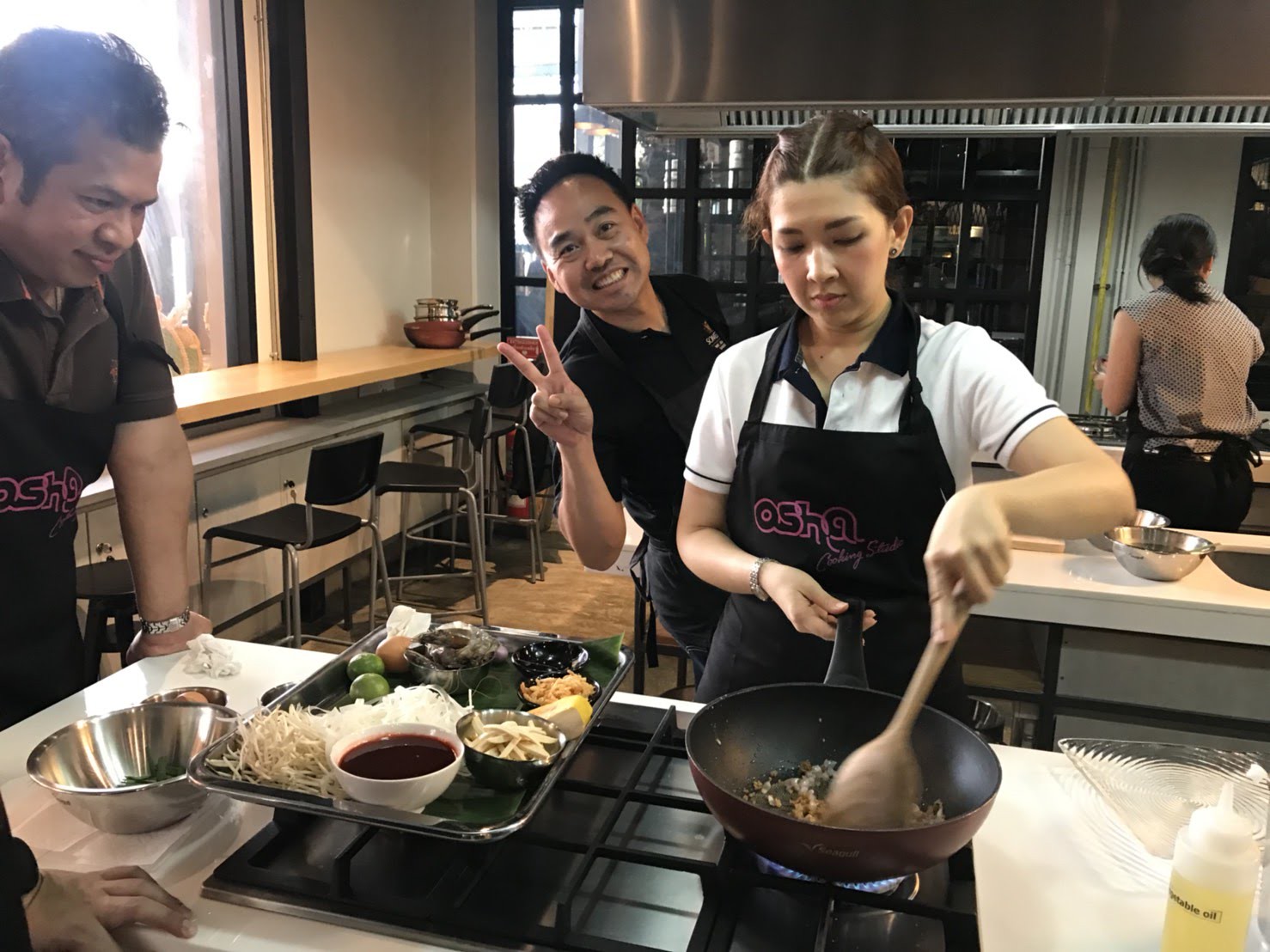
Cooking as a team requires constant communication because several activities happen simultaneously and each one can affect the others. Participants need to report progress, request ingredients, coordinate cooking times, share tools, warn teammates about changes, and confirm when one stage is ready for the next. MakingTeams can observe these communication patterns and encourage teams to develop simple systems that reduce confusion. Problems often appear when assumptions replace clear information, such as when two people prepare the same ingredient while another essential task is forgotten. The noisy, active kitchen environment also encourages participants to communicate concisely and directly rather than relying on long discussions. Teams quickly learn the value of confirming instructions, asking questions early, and making sure that everyone understands the current priorities. These behaviors translate naturally into workplace environments where cross-functional collaboration depends on fast and accurate information exchange. The corporate cooking competition therefore provides a practical setting in which communication quality directly affects the final result.
Creativity and Adaptability Improve Team Performance
Competitive cooking also introduces ambiguity because teams often have several possible ways to interpret the culinary brief. They may need to decide how closely to follow a traditional recipe, how to present the dish, which flavors to emphasize, or how to respond if an ingredient behaves differently than expected. MakingTeams can include creative elements such as mystery ingredients, presentation challenges, or optional components that require teams to make choices rather than simply follow instructions. These moments encourage experimentation and expose how groups respond when there is no single correct solution. Some teams may initially disagree about direction, requiring them to evaluate ideas and commit without spending too much time debating. Others may need to change course during cooking when their first approach does not work. This creates a useful lesson in adaptability because participants experience that changing the plan is not necessarily failure; it can be the most effective response to new information. The combination of structure and creative freedom makes the challenge particularly relevant to teams working in innovation, marketing, strategy, product development, and other environments where execution and experimentation must coexist.

The Corporate Cooking Competition Experience in Bangkok
A professionally designed Thai cooking team challenge can combine culinary instruction, competitive pressure, cultural discovery, creativity, and social interaction within one structured event. MakingTeams can organize the program in a professional cooking school, restaurant environment, dedicated culinary venue, hotel kitchen studio, or suitable corporate event space depending on group size and logistical requirements. The experience typically begins with a briefing in which participants learn the challenge format, safety requirements, judging criteria, available ingredients, and overall timing before being divided into teams. Chefs or facilitators may introduce key Thai ingredients, preparation techniques, or flavor principles before teams begin planning their approach. Once the cooking phase starts, each group manages its own station and works toward the same deadline while facilitators monitor timing and provide appropriate technical guidance without taking control of the process. The atmosphere becomes increasingly energetic as teams move from preparation into cooking and final presentation. At the end, dishes can be assessed according to taste, visual presentation, teamwork, creativity, and interpretation of the brief. A judging and recognition segment creates a clear conclusion while allowing different strengths to be celebrated. Participants then share the food they have created, turning the competitive challenge into a relaxed social experience. This combination of pressure followed by celebration helps create strong memories and gives colleagues an easy way to continue conversations after the formal activity has ended.
Thai Ingredients Create Cultural Discovery Through Food
Thai cuisine provides a particularly rich foundation for team building because participants work directly with ingredients, techniques, textures, aromas, and flavor combinations that are strongly connected to local culture. Depending on the menu, teams may handle herbs, chilies, lime, coconut, noodles, vegetables, seafood, curry pastes, sauces, and other ingredients that play important roles in Thai cooking. MakingTeams can include explanations from chefs so participants understand why particular flavors are balanced and how different components contribute to the dish. This cultural context turns the challenge into more than a cooking competition because participants also gain a deeper understanding of the destination through practical experience. International groups often find that food creates an accessible way to discuss culture because everyone can contribute through observation, taste, and comparison with familiar cuisines. Teams may also discover that different participants interpret flavor intensity or presentation differently, creating additional opportunities for negotiation and shared decision-making. The final meal becomes a cultural experience the group has created itself rather than something simply served to them.
Judging and Presentation Add Energy and Accountability
The final presentation gives teams a clear deadline and encourages them to think beyond basic completion. A dish may taste good but lose impact if presentation is rushed, while an attractive plate cannot compensate for poor preparation. MakingTeams can structure judging around multiple categories such as flavor, appearance, creativity, teamwork, organization, and explanation of the concept. Teams may be asked to introduce their dish, describe the strategy behind it, or explain how they adapted during the challenge. This creates an additional communication element because participants need to turn their practical work into a concise story for the judges. Friendly competition increases engagement and encourages teams to maintain standards throughout the activity rather than simply finishing as quickly as possible. Recognition can include an overall winner as well as category-based awards that acknowledge different strengths. This approach keeps the atmosphere positive while still creating meaningful performance pressure. The judging stage also gives participants an opportunity to compare approaches and recognize that different teams can reach successful outcomes through very different working styles.
Sharing the Meal Strengthens Social Connection
One of the distinctive advantages of culinary team building is that the final product becomes part of the social experience. After the competition, participants can sit together, taste the dishes, compare results, and continue discussing what happened during the challenge. MakingTeams can integrate this meal into the wider corporate agenda as a lunch, dinner, networking period, or transition between formal business sessions and evening activities. The shift from competition to shared dining helps reduce hierarchy and creates natural opportunities for informal conversation between colleagues who may not normally spend time together. Participants often remember mistakes, creative solutions, unexpected flavors, and humorous moments, giving teams shared stories that continue beyond the event. For regional or multinational groups, the meal can also become a useful cultural exchange as participants discuss food preferences and experiences from different countries. The activity therefore creates value both during the structured challenge and afterwards, when the shared experience continues to strengthen relationships.
Facilitation, Customization, and Corporate Learning Outcomes
The business value of a Top Chef team building experience depends on how well the competition is adapted to the corporate group and connected to the broader objectives of the event. MakingTeams begins by understanding whether the priority is employee engagement, relationship building, leadership development, cross-functional collaboration, incentive travel, cultural immersion, or simply an energizing shared experience after formal meetings. The challenge format can then be adjusted through team composition, cooking complexity, judging criteria, timing, facilitation depth, and level of competition. A senior leadership group may benefit from more open-ended culinary briefs that require strategic decision-making, while a larger employee event may use a more structured format that allows many teams to participate simultaneously. Participants can be deliberately mixed across departments, countries, or levels of seniority to encourage new working relationships. Dietary requirements, allergies, religious restrictions, cooking confidence, and accessibility are considered during planning so everyone can contribute safely and comfortably. Facilitators observe how teams organize themselves and can use the debrief to highlight patterns around communication, leadership, adaptability, or decision-making without turning an enjoyable experience into a classroom exercise. The program can therefore range from light-touch entertainment to a more structured team development activity. This flexibility makes competitive culinary team building suitable for a wide range of corporate audiences and event objectives.
Professional Facilitation Turns Cooking into Team Learning
Professional facilitation helps teams recognize that many of the behaviors influencing their performance in the kitchen are also relevant at work. MakingTeams facilitators can observe how quickly groups establish roles, whether participants listen to one another, how decisions are made, and what happens when a mistake or delay occurs. After the challenge, teams can reflect on moments when communication worked particularly well or when a lack of coordination created unnecessary pressure. A group may realize that it became more effective once one participant began coordinating timing across different cooking stations, while another may discover that too many people tried to make the same decision. These observations provide concrete examples of leadership, delegation, collaboration, and adaptability because participants have just experienced them directly. The debrief can be brief and energetic for incentive events or more detailed for leadership and L&D programs. The purpose is not to force artificial lessons onto the cooking activity but to help participants recognize meaningful patterns that emerged naturally during the challenge.
Customization Creates Relevance for Different Corporate Groups
The Top Chef format can be customized extensively while preserving the excitement and clarity of the central competition. MakingTeams can adjust menus, ingredients, team size, challenge duration, scoring, branding, culinary difficulty, and facilitation according to the client’s needs. Company values or business themes can be introduced through creative briefing elements or presentation criteria without overwhelming the culinary experience. Teams can be assigned different dishes that ultimately form one shared meal, or all groups can receive the same challenge so their strategies and results can be compared directly. Additional elements such as mystery ingredients, ingredient auctions, culinary quizzes, or limited-resource challenges can increase complexity for groups seeking a stronger problem-solving component. The activity can also be integrated with conferences, executive meetings, incentive travel, destination management programs, or evening networking events in Bangkok. Practical planning covers venue sourcing, chefs, ingredients, cooking stations, equipment, safety, dietary requirements, transport, participant communication, photography, and awards. This customization ensures that the activity supports the purpose and tone of the wider corporate event rather than functioning as a generic cooking class.