Professional Conference Organization with a Destination Management Company in Bali

A destination management company in Bali for conference organization helps international companies, regional headquarters, associations, leadership teams, and corporate groups manage the operational complexity behind professionally delivered conferences in one of Southeast Asia’s most distinctive event destinations. Bali combines international air access, premium resorts, modern meeting facilities, private venues, experienced event suppliers, strong hospitality infrastructure, and extensive opportunities for networking, team building, wellness, cultural programs, and incentive experiences. This combination makes the island suitable for regional conferences, leadership summits, sales meetings, training events, client forums, annual gatherings, incentive-linked conferences, executive programs, and multi-day corporate events. However, organizing a conference in Bali involves considerably more than reserving meeting rooms and accommodation. Companies must coordinate venue selection, room layouts, technical production, registration, airport transfers, ground transport, accommodation, catering, speakers, delegate communication, networking, branding, security, activities, supplier schedules, weather contingencies, and live on-site operations within one integrated framework. MakingTeams approaches conference organization as a complete destination management process that connects the participant journey from initial arrival through business sessions, hospitality, off-site activities, networking, and final departure. Local expertise is particularly valuable because the practical differences between Nusa Dua, Jimbaran, Seminyak, Sanur, Ubud, and other parts of Bali can significantly affect travel times, venue options, production logistics, accommodation strategy, and participant experience. MakingTeams therefore begins with the business objective, delegate profile, expected attendance, agenda, technical requirements, service standards, and budget before designing the operational structure. Internal corporate teams gain one local coordination partner capable of managing multiple venues and suppliers while leadership, HR, event, marketing, and regional teams remain focused on content, relationships, and measurable business outcomes. The result is a conference that feels professionally organized and consistent from the participant perspective even when significant logistical complexity exists behind the scenes.
Why Professional Destination Management Matters for Conferences in Bali
Professional destination management is especially important for conferences in Bali because formal business sessions are frequently combined with resort accommodation, dinners, team activities, cultural experiences, wellness elements, and off-site events. This creates a powerful destination experience, but it also introduces operational dependencies between accommodation, transport, suppliers, venues, weather, delegate schedules, and production requirements. A resort may provide excellent rooms and hospitality while lacking sufficient breakout capacity, or a visually impressive dinner location may create excessive travel time after a full conference day. MakingTeams evaluates these factors together so individual decisions support the wider conference rather than creating conflicts later in the planning process. Leadership events may require privacy and executive services, sales conferences may need large plenary rooms and high-energy production, client forums may prioritize premium hospitality and brand presentation, while training programs may require flexible breakout spaces and reliable learning infrastructure. By coordinating these requirements within one destination management structure, MakingTeams reduces fragmentation between venues, suppliers, transport providers, hotels, and internal organizers. Centralized planning also improves accountability because the client has one operational framework rather than several independent service providers working with different information. This helps protect timing, quality, delegate comfort, and budget. It also allows contingency planning to be integrated from the beginning rather than added shortly before the event. For international organizers managing the conference remotely, local destination knowledge creates additional confidence that venue promises, transportation assumptions, supplier capabilities, and service standards have been evaluated from an operational perspective before contracts are finalized.
Venue Selection and Conference Infrastructure
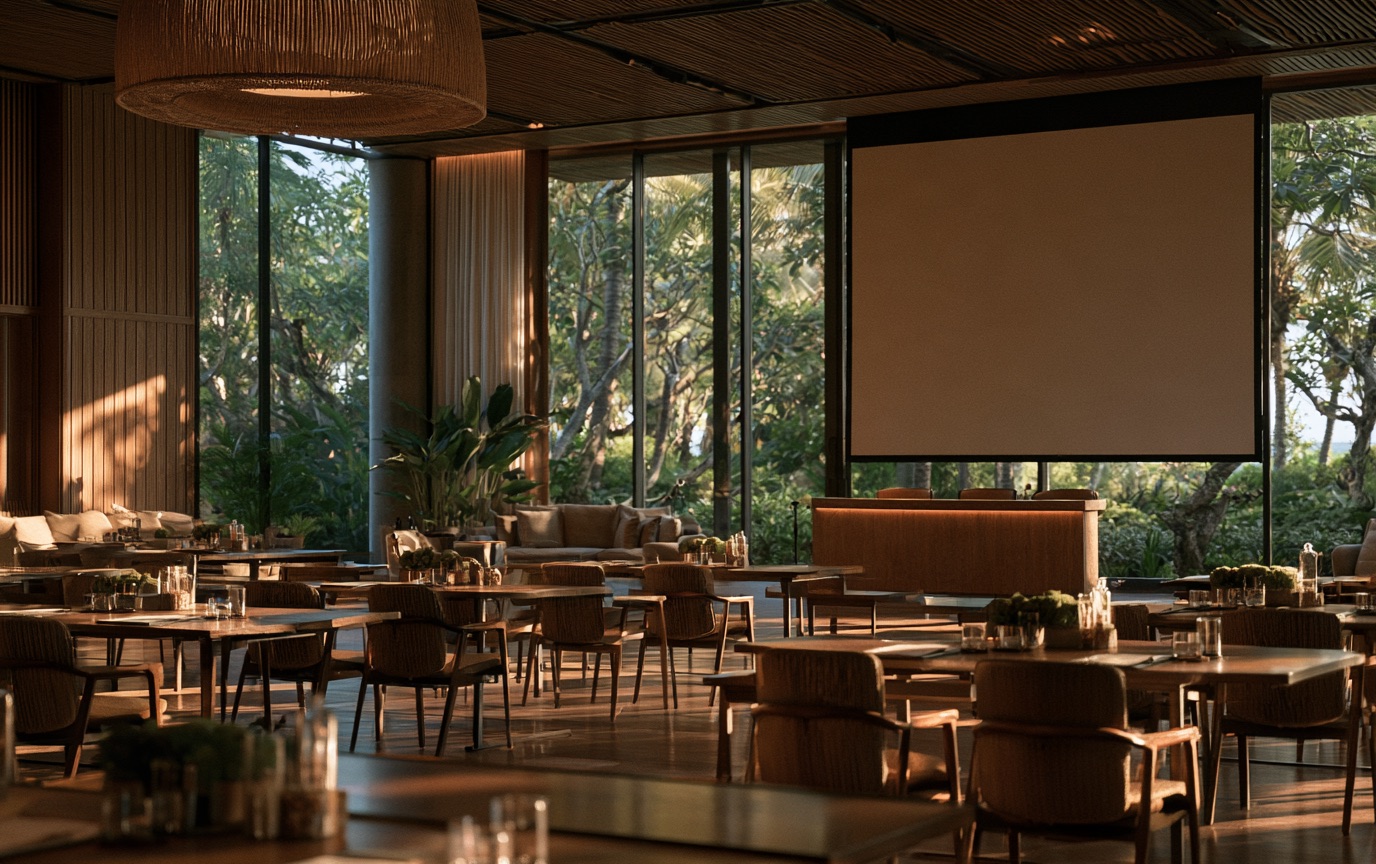
Venue selection is one of the most important decisions in conference organization because the physical environment determines how delegates move, interact, learn, network, and experience the event. Bali offers conference resorts, international hotels, executive meeting properties, beachfront venues, private villas, cultural locations, creative spaces, and alternative event environments, but each option supports different group sizes and production requirements. MakingTeams evaluates plenary capacity, breakout availability, ceiling height, acoustics, stage requirements, internet reliability, power supply, registration areas, catering flow, loading access, supplier policies, executive rooms, branding opportunities, accommodation inventory, accessibility, and participant movement before recommending a venue. Geographic location is also critical because daily transfers between accommodation, meetings, restaurants, and off-site events can affect punctuality and delegate energy. A resort that appears attractive in a proposal may become operationally inefficient if meeting areas are spread across several buildings or if loading access limits production setup. Site inspections can therefore examine back-of-house areas, service elevators, sound separation, signage positions, weather exposure, room transitions, and technical infrastructure in addition to guest-facing spaces. MakingTeams can also compare commercial proposals and identify hidden costs related to external suppliers, equipment, overtime, setup time, private use, internet, or food and beverage commitments. This detailed evaluation helps organizations select a venue that supports the conference concept, participant journey, production plan, and budget rather than simply offering an impressive visual setting.
Delegate Registration and Participant Communication
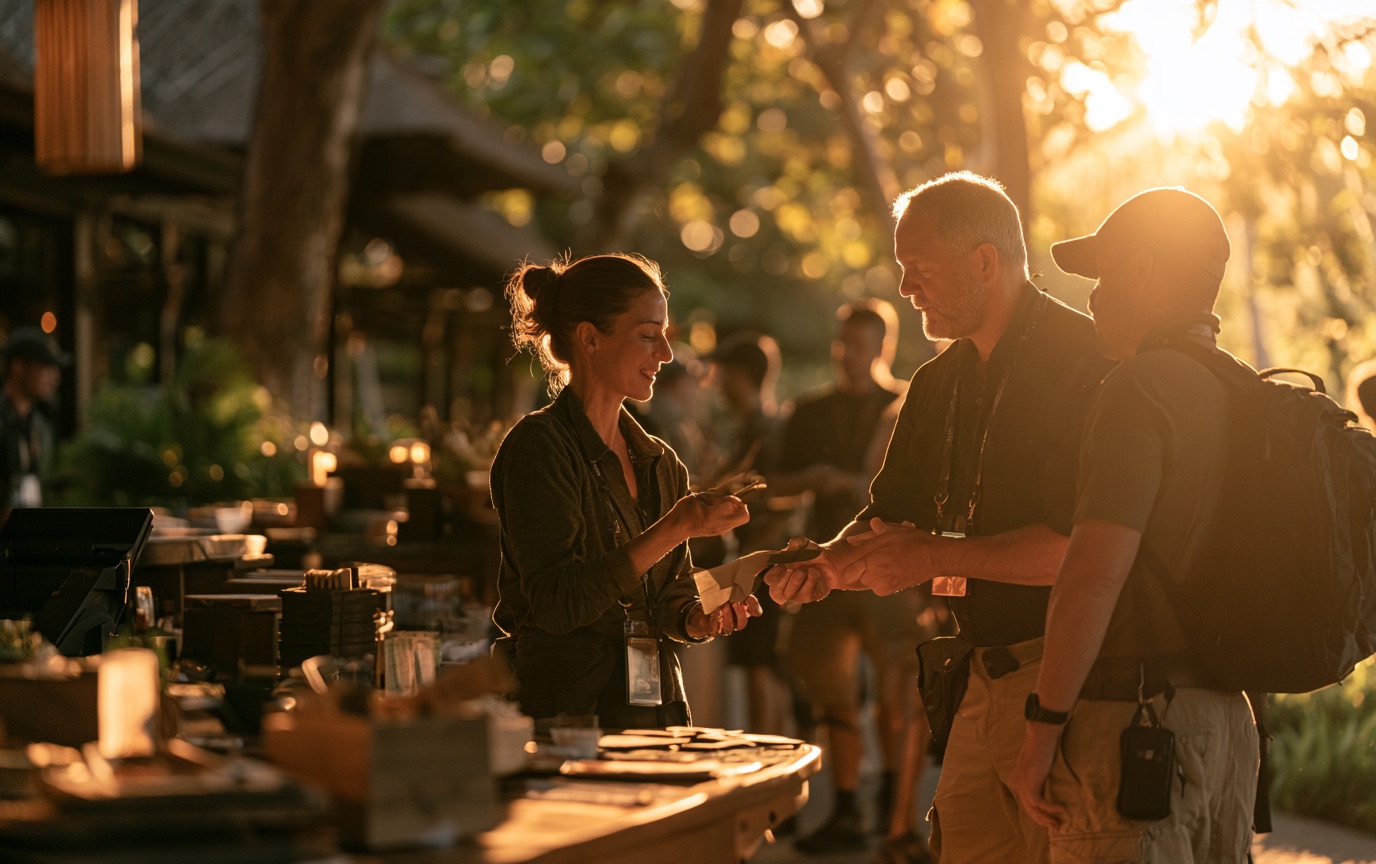
Delegate management begins before participants arrive in Bali and continues throughout the conference. MakingTeams can coordinate registration systems, participant databases, rooming information, arrival details, badges, welcome materials, agendas, transport schedules, dietary requirements, meeting points, dress guidance, activity information, emergency contacts, and live event updates. International conferences may include delegates arriving from multiple countries, business units, and time zones, so consistent communication becomes essential for reducing uncertainty. Registration areas can be designed around expected arrival patterns, VIP categories, sponsor requirements, group size, and venue layout so the check-in process remains efficient during peak periods. Once the conference begins, participants may move repeatedly between plenary sessions, breakout rooms, exhibition zones, meals, transport areas, networking functions, and evening programs. Clear signage, staff positioning, digital messaging, event applications, printed materials, and information desks can all support this movement depending on the event format. When a speaker schedule changes, transport is delayed, or weather affects an outdoor function, communication needs to reach delegates quickly without exposing them to unnecessary operational complexity. MakingTeams coordinates these updates through one information structure so delegates know what they need to do while internal organizers maintain control over the broader event narrative. Strong participant communication improves punctuality, reduces repeated questions, and allows delegates to concentrate on conference content and relationships rather than logistics.
Speaker, Stage, and Technical Production Coordination
Technical production strongly influences how delegates perceive a corporate conference, particularly when presentations, keynote speakers, hybrid participation, multiple screens, interpretation, livestreaming, recording, branded content, or complex stage transitions are involved. MakingTeams coordinates venue technicians and external production suppliers so staging, sound, lighting, screens, presentation systems, microphones, confidence monitors, timers, digital content, interpretation, recording, and streaming are aligned with the agenda. Speaker management can include presentation collection, rehearsals, airport transfers, accommodation, green rooms, stage briefings, session timing, and last-minute content updates. Senior executives, external keynote speakers, panelists, and moderators often have different technical and operational requirements, so each session needs to be considered individually. MakingTeams can develop a detailed run of show that aligns venue access, setup, sound checks, rehearsals, speaker calls, technical cues, session transitions, and live event operation. Backup systems, internet redundancy, power requirements, and presentation compatibility can also be reviewed before the conference begins. Production teams and event managers remain connected during the live program so adjustments can be made quickly if sessions overrun or content changes. This structured approach allows speakers and internal organizers to focus on messaging and audience engagement rather than troubleshooting technical issues. Strong production management also protects the professionalism of the conference and ensures that branding, content, and participant experience remain consistent across every session.

Conference Logistics and Delegate Experience Across Bali
Conference logistics in Bali extend far beyond the meeting room because delegates experience the event through airport arrival, accommodation, transportation, meals, hospitality, activities, networking, and departure as well as formal sessions. MakingTeams maps these touchpoints and builds a logistics structure around the agenda and participant journey. Bali’s geography makes this particularly important because travel conditions between the airport, resorts, conference venues, restaurants, and activity locations vary significantly depending on time of day, weather, ceremonies, road conditions, and destination area. A conference based in Nusa Dua may have very different transportation requirements from a program in Ubud or a multi-venue event using several parts of the island. MakingTeams develops schedules based on realistic local travel assumptions and includes appropriate buffers for critical movements rather than relying exclusively on map estimates. Accommodation, flight manifests, vehicles, supplier access, luggage, delegate communication, and event timing are coordinated as one system so changes in one area do not unnecessarily disrupt the rest of the program. For multi-day conferences, participant fatigue is also considered, especially when international delegates arrive after long flights and immediately enter a demanding business schedule. Well-designed logistics reduce unnecessary transfers, protect delegate energy, and make the conference feel simpler than the underlying operational structure actually is. MakingTeams can also coordinate off-site dinners, team building programs, cultural activities, wellness sessions, and incentive elements within the wider schedule so destination experiences enhance rather than compete with the business purpose of the event.
Airport Transfers and Accommodation Management
Airport and accommodation management create the first operational impression of an international conference. MakingTeams can coordinate flight manifests, arrival tracking, airport representatives, welcome signage, luggage support, executive vehicles, group coaches, hotel transfers, delayed-flight contingencies, rooming lists, early arrivals, late departures, VIP allocations, special requests, and hotel communication. Delegates may arrive throughout the day on different airlines and from different countries, making real-time monitoring useful for adapting transport to actual arrival conditions. VIP guests or senior executives can be handled separately when required, while larger delegate groups can be consolidated into structured transfer waves. Accommodation management continues beyond initial booking because rooming lists often change as conference attendance, flights, or executive schedules evolve. MakingTeams keeps updates aligned across hotels, transport teams, registration staff, and internal organizers so conflicting information does not reach participants. Welcome desks, branded room drops, luggage storage, hospitality support, and meeting-floor assistance can also be included depending on the event. Departure planning receives the same level of attention, with pickup schedules linked to traffic assumptions, flight times, luggage requirements, and airport procedures. A controlled arrival and departure process helps delegates feel supported from the moment they reach Bali and contributes to a consistent professional impression throughout the conference.
Ground Transportation and Multi-Venue Movement
Ground transportation is one of the most operationally sensitive parts of conference planning in Bali because delays can affect meetings, speaker schedules, dinners, activities, and participant satisfaction. MakingTeams considers accommodation locations, venue distribution, group size, VIP requirements, road access, loading zones, parking, supplier movement, and realistic travel times when developing the transport plan. Executive cars, vans, minibuses, coaches, supplier vehicles, and backup transport can be coordinated within one dispatch system. Multi-venue programs require particular attention because each transfer must support the timing of the next session or activity. Passenger lists, driver contacts, pickup points, route alternatives, vehicle identification, signage, and contingency procedures can be prepared in advance. Event staff can be positioned at departure and arrival points to guide participants and keep loading efficient. Local teams can monitor weather, traffic, and other conditions that may require departure times or routes to be adjusted. Separate vehicle plans can also be developed for speakers, senior leaders, clients, or delegates with different schedules. This approach reduces waiting, protects the agenda, and prevents transport from becoming a recurring distraction. When logistics are managed effectively, delegates experience movement between conference elements as part of one coherent program rather than a series of separate transfers.
Catering, Networking, and Corporate Hospitality
Catering and hospitality are strategically important to conference organization because informal conversations during coffee breaks, meals, receptions, and evening events often create significant relationship value. MakingTeams coordinates coffee breaks, lunches, private dinners, receptions, executive hospitality, dietary requirements, seating plans, service timing, and venue selection according to the participant profile and business objectives. Bali provides extensive opportunities for resort dining, beachfront dinners, private villas, garden receptions, cultural hospitality, wellness-focused menus, premium restaurants, and distinctive networking experiences. These options can strengthen a conference program when they are selected according to purpose rather than novelty. Leadership groups may benefit from intimate private dinners, while larger regional conferences may require structured networking formats that encourage delegates from different markets to interact. MakingTeams integrates hospitality with transport, branding, agenda timing, guest movement, technical requirements, and weather planning so attractive experiences remain operationally reliable. Menus can be adapted to allergies, dietary preferences, cultural expectations, and religious requirements. Seating arrangements, table rotations, informal networking prompts, or dedicated VIP areas can also be used to support relationship building. Thoughtful hospitality creates emotional depth around the formal conference and helps delegates associate the event with connection, recognition, and high-quality corporate experience rather than sessions alone.
Risk Management, Live Operations, and Conference Performance
Corporate conferences require strong risk management because even carefully planned events can be affected by changing conditions. Bali programs may encounter tropical weather, flight delays, traffic disruption, supplier problems, technical failures, participant illness, speaker schedule changes, venue restrictions, or last-minute attendance adjustments. MakingTeams identifies critical risks during planning and develops practical alternatives based on their potential impact on the conference. These may include backup transport, reserve technical equipment, alternative meeting rooms, indoor options for outdoor functions, revised schedules, replacement suppliers, emergency contacts, duplicate materials, medical support, and adjusted hospitality plans. On-site management is equally important because the live environment must be monitored continuously. Event managers coordinate venues, production teams, hotels, speakers, drivers, caterers, activity providers, registration staff, and internal organizers through defined communication channels and escalation procedures. Small issues can therefore be corrected before delegates notice them, while larger changes can be discussed quickly with the client. Risk management is also closely connected to conference performance because operational disruption consumes delegate attention and reduces time available for content, networking, and business objectives. Strong preparation protects the experience and allows participants to remain focused on leadership alignment, learning, sales, client relationships, strategy, or whatever outcomes the conference is designed to achieve. The goal is not to eliminate every possible problem but to create a structure capable of responding without losing control of the wider program.
Contingency Planning and Live Event Management
Effective contingency planning means preparing realistic alternatives before they are urgently needed. MakingTeams reviews the conference schedule and identifies high-risk points such as airport arrivals, keynote sessions, executive movements, major transfers, outdoor functions, complex technical presentations, or off-site activities. Backup options can then be prepared according to the importance and likelihood of each scenario. Weather may require an indoor alternative for a beachfront dinner, while transport disruption may require revised departure times or additional vehicles. Technical failure may require duplicate presentation systems, backup microphones, or reserve connectivity. Speaker delays may require session reordering, while participant changes can affect seating, catering, accommodation, or transportation. During the live event, a central operational team monitors readiness, delegate movement, speaker status, venue conditions, production, and supplier performance. Clear decision owners and escalation procedures define which changes can be made immediately and which require client approval. This reduces confusion and shortens response time when circumstances change. After the conference, operational incidents and responses can also be reviewed to improve future editions. A structured contingency framework gives organizers greater confidence that the conference can maintain professional standards even when external conditions become unpredictable.
Measuring Conference Effectiveness and Business Value
A successful conference should be evaluated according to more than whether the schedule was completed without visible problems. Corporate conferences can support outcomes such as leadership alignment, employee engagement, client confidence, sales momentum, knowledge transfer, organizational culture, collaboration, strategic communication, and stakeholder relationships. MakingTeams can help organizations connect event delivery with participant feedback, attendance, session engagement, networking quality, speaker effectiveness, supplier performance, registration efficiency, transport punctuality, technical reliability, and overall delegate experience. Post-event reviews can identify which parts of the conference created the greatest value and where future programs should be improved. Operational metrics can also reveal recurring issues in venue selection, transport design, catering, delegate communication, or production that may not be obvious during the event itself. For recurring conferences, these insights create a valuable knowledge base that allows each edition to become more efficient and effective. Evaluation also helps HR, marketing, sales, L&D, and leadership teams demonstrate how conference investment supports broader business objectives. Treating conferences as measurable organizational platforms rather than isolated events creates stronger alignment between event design, participant experience, and corporate strategy.