Corporate Cultural Programmes in Phuket with Professional Destination Management
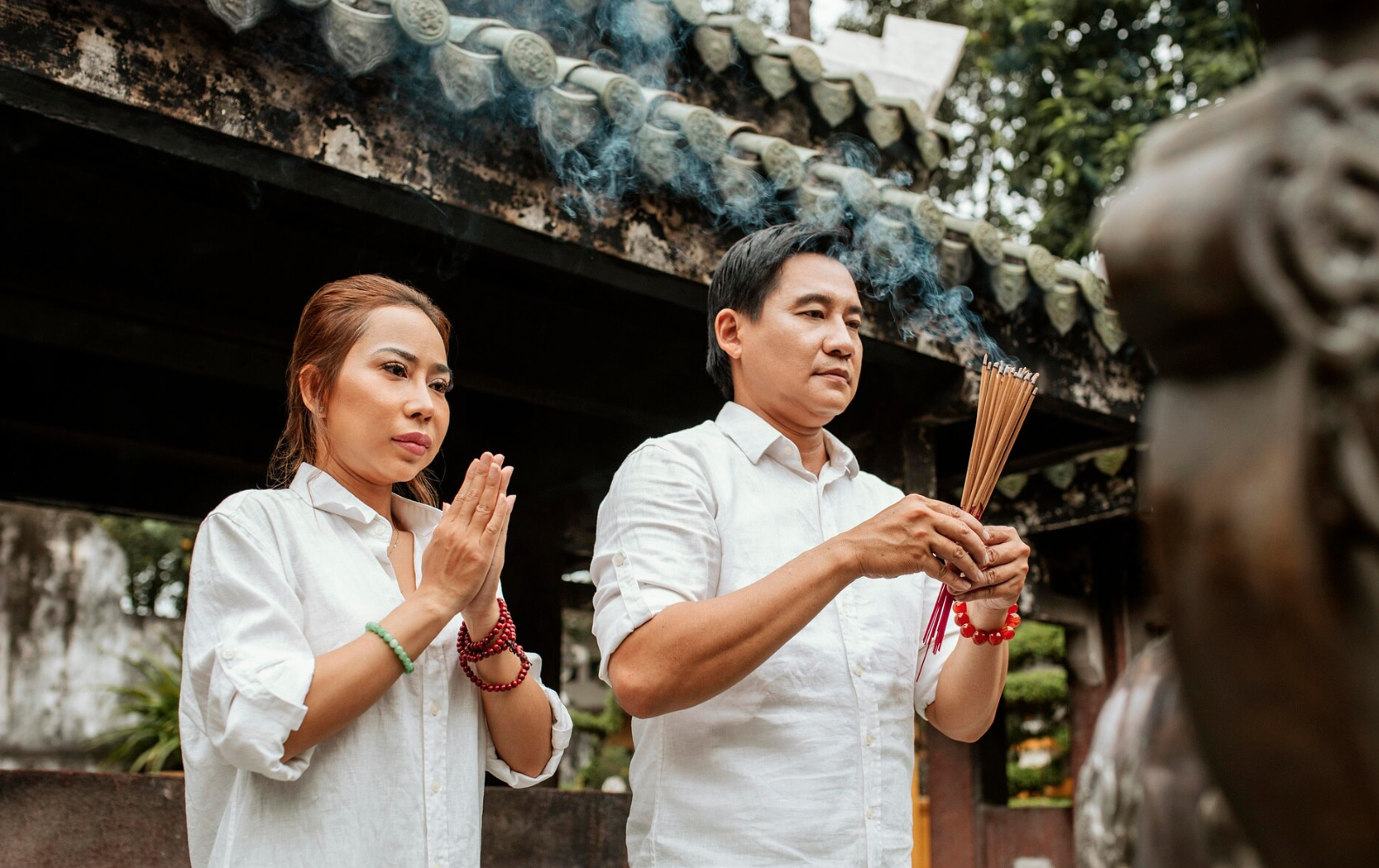
A corporate programme in Phuket can use local culture as more than entertainment between meetings. When designed deliberately, cultural activities can give international teams a shared point of reference, create opportunities for interaction outside their normal workplace roles, and help a regional meeting, incentive programme, leadership retreat, or corporate off-site feel genuinely connected to its destination. The most effective programmes begin with the company’s objectives and participant profile rather than with a catalogue of attractions. A senior leadership group may prefer a smaller and more private cultural programme with time for conversation, while a larger regional team may benefit from interactive activities that allow participants to work together, explore, create, taste, or learn. MakingTeams’ Corporate Travel / MICE DMC Services framework allows cultural programming to be incorporated into a wider corporate itinerary alongside accommodation, meetings, transport, hospitality, team activities, and event operations. In Phuket, this is particularly useful when a company wants the destination itself to contribute to the participant experience without turning a business programme into a conventional sightseeing tour. Professional Cultural Experiences can include carefully planned encounters with local food, traditional skills, heritage, performing arts, community stories, and interactive activities, with the exact format adapted to group size, timing, physical requirements, and the wider corporate agenda. MakingTeams already positions cultural engagements within its destination-management offer through activities such as workshops, historical experiences, culinary programmes, local performance traditions, and community-oriented interactions. The destination management organization should determine how these components fit into the participant journey, how much time they require, what transportation or venue support they need, and whether they contribute to the actual purpose of the event. For a company bringing people from several countries together, the value may lie less in presenting cultural information and more in creating a shared experience that gives participants something to discuss and remember together. For an incentive programme, the emphasis may be on discovery and hospitality. For an internal retreat, a cultural component may provide a deliberate change of pace after intensive meetings. For a client programme, it may create a more distinctive environment for relationship building. The objective is not to add cultural content simply because the event takes place in Phuket, but to use the destination in a way that feels relevant, respectful, well organized, and appropriate for the corporate audience.
Designing Cultural Experiences Around the Group, Purpose, and Phuket Programme
A successful cultural programme should be designed around the people attending it. The same experience will not work equally well for a small executive board, a 200-person regional team, a multinational client group, and an incentive programme built around employee recognition. Participant age, mobility, languages, cultural backgrounds, hierarchy, familiarity with Thailand, and previous experience of Phuket can all influence the format. The wider corporate travel management destination Phuket context should also be considered because cultural experiences rarely exist in isolation: they may sit between meetings, follow a conference day, form part of an incentive itinerary, or operate as one component of a multi-day programme. Phuket can support a wide range of corporate formats, and MakingTeams already provides team-building and destination services in the location. The planning team should therefore decide what role culture is expected to play. It may be used to introduce international delegates to the destination, create informal interaction between colleagues, provide a more engaging alternative to a conventional dinner, offer a hands-on shared experience, or give participants a deeper understanding of local traditions. The experience should then be evaluated against the business schedule. A technically excellent activity can still be the wrong choice if it requires a long transfer after a demanding conference day, excludes part of the group, creates uncertainty around dress or physical activity, or pushes an important evening function too late. A destination management organization can help balance the desire for a distinctive Phuket experience with the practical requirements of corporate participants. That includes deciding whether the programme should be highly structured or relaxed, whether people participate individually or in teams, how guides or facilitators are used, how much interpretation is required, and what contingency options are available if the format is weather-sensitive or dependent on external locations.
Choosing Between Heritage, Culinary, Creative, and Interactive Formats
Cultural programming can take several forms, and the strongest choice depends on the group rather than on which option appears most exotic. Heritage-oriented programmes can introduce participants to local history, architecture, traditions, or important places and work particularly well for international groups visiting Phuket for the first time. Culinary formats can create a more social experience through food discovery, cooking, ingredient exploration, or hosted dining, allowing participants to interact naturally while learning about local habits and flavours. Creative formats can involve crafts, artistic techniques, or other hands-on activities that slow the pace of the programme and allow colleagues to work side by side. Interactive cultural challenges can add team dynamics by asking participants to solve clues, visit locations, answer questions, or complete culturally themed tasks. MakingTeams’ existing Cultural Discovery Phuket activity, for example, combines cultural riddles with locally themed activities and team challenges rather than relying only on passive sightseeing. For corporate planners, these formats should be selected according to the participant behaviour the programme is intended to encourage. A group that has spent two days listening to presentations may respond better to something participative and physical. Executives who need more relationship-building time may benefit from a slower culinary or hosted cultural experience that leaves room for conversation. A diverse regional team may benefit from a collaborative format that mixes participants from different offices rather than allowing them to remain with existing colleagues. No single cultural activity is inherently more valuable than another. The relevant question is whether the format creates the right type of interaction for the people attending and whether it can be delivered comfortably within the available time, venue, transportation, and accessibility constraints.


Making Cultural Programmes Relevant to Corporate Teams
Corporate participants should not feel as though they have been temporarily inserted into a standard leisure-tour itinerary. The programme should recognize why the group is in Phuket and what has happened before and after the cultural component. If a team has spent the morning working on strategy, the afternoon experience can intentionally reduce formality and give colleagues more space to interact. If the cultural programme follows a regional conference, it can help participants from different markets meet outside their usual business structures. If it forms part of an incentive trip, it can emphasize discovery, hospitality, and shared memories rather than formal learning. The programme can also be adapted through team composition, facilitation, reflection, or simple changes in pace. Participants may be assigned across functions or countries so that they interact with colleagues they do not normally work with. Some experiences may allow teams to solve problems or make decisions together, while others may deliberately avoid competition and focus instead on shared discovery. The workplace value should be described realistically. A cultural programme does not guarantee stronger retention, leadership, productivity, or commercial performance. What it can do is create conditions for conversation, curiosity, cross-cultural awareness, informal relationship building, and different patterns of interaction. For HR, L&D, and regional leadership teams, this distinction matters because the programme can then be justified according to observable participant experience rather than exaggerated claims. The cultural component should also respect the destination. Activities involving traditions, communities, religious spaces, or local practices should be briefed appropriately so participants understand expected behaviour and the experience does not reduce local culture to entertainment.
Integrating Cultural Activities into Meetings, Retreats, and Incentive Programmes
Timing often determines whether a cultural experience strengthens or weakens the wider corporate event. Cultural programmes work best when they create a purposeful change in rhythm. A leadership retreat may place an experience after a demanding working session to move the group into a less formal environment. A conference may use a cultural programme as an optional or scheduled afternoon component before an evening function. An incentive itinerary may devote substantially more time to experiences because discovery is one of the primary reasons for the trip. A corporate meeting may use a shorter cultural activity close to the hotel because protecting working time matters more than creating a full-day excursion. The destination management organization should examine the complete schedule before recommending a format. The key questions include how long participants have already been in meetings, how much travel is required, whether they need to change clothing, whether meals need to be incorporated, what time the next programme element begins, and how the activity affects participants with different mobility or energy levels. Cultural programmes can also be integrated with team building, hospitality, and social functions rather than being treated as standalone blocks. A food-focused experience may flow naturally into dinner. A creative workshop may work within a resort or meeting venue. A discovery challenge may end at a location suitable for a reception. These transitions can make the programme feel more intentional while reducing unnecessary movement. The objective is to create a participant journey where each component leads naturally into the next instead of asking delegates to repeatedly return to the hotel, change, regroup, and depart again.

Delivering Cultural Programmes Through Local Coordination and Participant Management
Cultural programmes often appear simpler operationally than conferences or large corporate events, but they can involve numerous small dependencies that become visible only when the group is already on site. Transportation, guides, facilitators, activity stations, permissions, venue access, meals, local partners, weather, participant grouping, equipment, language, accessibility, and timing may all need coordination. A destination management organization can connect these components through one operating plan so participants experience the programme as a continuous activity rather than as a sequence of supplier handovers. The client should know which services are being managed directly, which are provided by specialist local partners, how participant information is communicated, and what happens if the itinerary needs to change. Cultural programmes also require more sensitivity than some standard corporate activities because the destination itself is part of the experience. The team responsible for delivery needs to understand how to brief participants, how to manage group behaviour in public or culturally significant places, and how to keep the programme engaging without creating disruption for local communities. Operational planning should include realistic group sizes, movement between locations, time for participants to regroup, breaks, water and comfort requirements where relevant, and alternatives for anyone unable to complete a particular component. For large groups, the experience may need to be divided into smaller teams or parallel rotations so that venues and activity stations are not overwhelmed. For smaller executive groups, the emphasis may shift toward discretion, flexibility, and more personalized hosting. Professional local coordination creates value precisely because these requirements can be handled behind the scenes while the participants experience an apparently simple programme.
Managing Group Size, Movement, Language, and Accessibility
Group size can fundamentally change the design of a cultural experience. An activity that feels personal and interactive for twenty participants may become slow or impersonal for two hundred unless the programme is redesigned. Large groups may require multiple routes, staggered departures, parallel stations, additional facilitators, larger transport capacity, and clearer communication. MakingTeams’ existing Phuket cultural discovery format notes that alternative routes can be used to reduce waiting between teams, illustrating why route and participant-flow design matters for interactive cultural activities. Movement also needs to be considered realistically. Loading vehicles, briefing participants, walking between locations, checking that everyone has arrived, and regrouping after activities all consume time. Language can introduce another layer. International corporate groups may include participants with different levels of English, and instructions need to remain simple enough that the experience does not depend on understanding long cultural explanations. Guides and facilitators should know when interpretation or visual support is useful. Accessibility should be addressed during planning rather than after an itinerary is confirmed. Walking distances, stairs, heat, footwear, physical tasks, food allergies, and transport access may all affect participation. This does not mean every activity must be identical for every participant, but alternatives should be understood in advance so no one is unexpectedly excluded. A strong destination-management plan therefore considers the complete participant profile and modifies the experience accordingly rather than assuming that one standard cultural itinerary will work for every corporate group.
Working Respectfully with Local Culture, Communities, and Suppliers
Authenticity is valuable only when the experience also respects the people and traditions being presented. Cultural programming should avoid creating an artificial performance of local life purely for corporate consumption when a more respectful format is available. The MakingTeams cultural-experiences service specifically frames its offer around local traditions, artisans, historical experiences, music and dance, community engagement, and responsible travel, which provides a useful basis for designing programmes with more substance than standard sightseeing. Corporate planners should ask who delivers the experience, whether local knowledge is represented accurately, how participants interact with hosts or communities, and whether the programme creates unnecessary disruption. Religious or culturally significant places may require appropriate dress, behaviour, photography rules, or limitations on group activity. Craft or culinary experiences may work best when participants understand something about the tradition rather than simply completing a task. Community-oriented programmes should be especially careful not to promise impact that has not been verified. If a corporate group wants a CSR or community component, the actual need, recipient, permissions, contribution, and operational responsibilities should be confirmed rather than assuming that any local interaction automatically constitutes social impact. Respectful cultural planning also benefits the corporate group. Participants are more likely to regard an experience as meaningful when it feels connected to real people, skills, stories, or traditions rather than staged solely for photographs.
On-Site Facilitation and Live Programme Adaptation
The cultural programme should have clear on-site ownership. Facilitators or guides need to understand the schedule, participant groups, meeting points, transport arrangements, activity requirements, safety considerations, and escalation procedure. They also need to recognize when the programme should be adapted. A group may move more slowly than expected, participants may spend longer at one activity because they are highly engaged, weather may change, or an earlier corporate meeting may finish late. The destination management team should be able to decide whether to shorten, resequence, or simplify components without destroying the purpose of the experience. Participant communication should remain straightforward. Delegates generally need to know when to meet, what to wear or bring, how physically demanding the programme will be, what is expected at culturally sensitive locations, and when they will return. Internal operations can be considerably more detailed, covering supplier call times, transportation, activity setup, facilitator deployment, meal timing, contingency decisions, and client approvals. This separation keeps the participant experience relaxed even when significant coordination is occurring in the background. For executive groups, live adaptation may be especially important because schedules can change with little notice. For large company groups, the emphasis may be on consistency so different teams receive comparable experiences. In both cases, the objective is the same: protect the quality and purpose of the programme rather than following an itinerary mechanically when real conditions have changed.
Budgeting and Risk Planning for Cultural Experiences in Phuket
The cost of a corporate cultural programme in Phuket cannot be reduced to one reliable universal per-person number because the scope can vary substantially. A short facilitated workshop at a hotel, a multi-location discovery programme, a private culinary experience, a cultural evening with entertainment, and a full-day programme involving transport, guides, activities, meals, and exclusive venues are commercially different products even when participant numbers are similar. The project evidence does not contain a finance-approved public MakingTeams price range for Phuket cultural experiences, so a specific company price should not be invented. Instead, the budget should be built around the actual programme components and the assumptions behind them. Important cost drivers can include participant count, duration, number of locations, venue or site fees, exclusivity, transportation, guides, facilitators, materials, food and beverages, performers or specialist instructors, production, staffing, interpretation, private spaces, photography, and the level of destination-management coordination. Group size can create economies in some areas while increasing complexity in others. A larger group may distribute fixed facilitation costs more efficiently but require more vehicles, additional guides, parallel activity stations, larger venues, or multiple programme routes. Timing can also affect supplier availability and venue choices. A useful quotation should clearly state the participant assumption, programme duration, inclusions, exclusions, transport basis, meals or refreshments, staffing, optional upgrades, and any conditions that could change the final amount. Risk planning should be developed alongside the budget because weather alternatives, backup spaces, additional equipment, or reserve transport may carry costs of their own.
What Information Is Needed for an Accurate Cultural Programme Quote?
The client should provide enough information for the destination management team to design the programme before detailed costing begins. Participant count is essential, but it should be accompanied by the event dates, available time window, accommodation location, participant origins, age and mobility considerations where relevant, language requirements, preferred activity style, dietary restrictions, desired level of exclusivity, transportation requirements, and target budget range. The corporate objective should also be explained. A programme designed primarily for incentive travel will be different from one used as a team-development component within a leadership retreat. The client should indicate whether the cultural experience needs to connect directly with a meeting, dinner, award function, or other event element because this can influence location and timing. If the programme includes a competitive or team-based component, the approximate team structure and preferred intensity should be understood. If senior executives or VIP guests are attending, separate transport, hosting, or scheduling requirements may need to be considered. Procurement teams should also ask suppliers to identify major exclusions rather than comparing headline totals without understanding scope. A lower quotation may exclude transport, private space, facilitator ratios, meals, production, or contingency support that another supplier has included. Transparent assumptions create a more useful comparison and reduce the likelihood of additional costs appearing once the programme has already been approved.
Weather, Cultural Sensitivity, and Operational Contingencies
Phuket cultural programmes may include indoor, outdoor, or mixed environments, so contingency planning should follow the actual format rather than using one generic backup plan. Weather-sensitive components should have a realistic alternative, whether that means changing the route, moving part of the activity indoors, adjusting timing, or replacing one element while protecting the rest of the programme. MakingTeams’ general FAQ states that indoor backup activities can be planned for outdoor events with sufficient notice, providing a useful principle for programmes where weather could affect delivery. Cultural sensitivity represents a different type of risk. Participants may be unfamiliar with local expectations regarding dress, behaviour, photography, religious spaces, or interaction with hosts. Clear pre-event communication can prevent awkward situations without turning the briefing into a lecture. Operational contingencies should also account for transport delays, participant separation, supplier changes, medical or accessibility requirements, and changes to the preceding corporate agenda. A cultural programme scheduled after a conference session should not assume that the conference will finish exactly on time. Appropriate buffers and decision points make the programme more resilient. The strongest contingency plans are simple enough to activate quickly and preserve the purpose of the experience rather than attempting to recreate every original detail under changed conditions.